


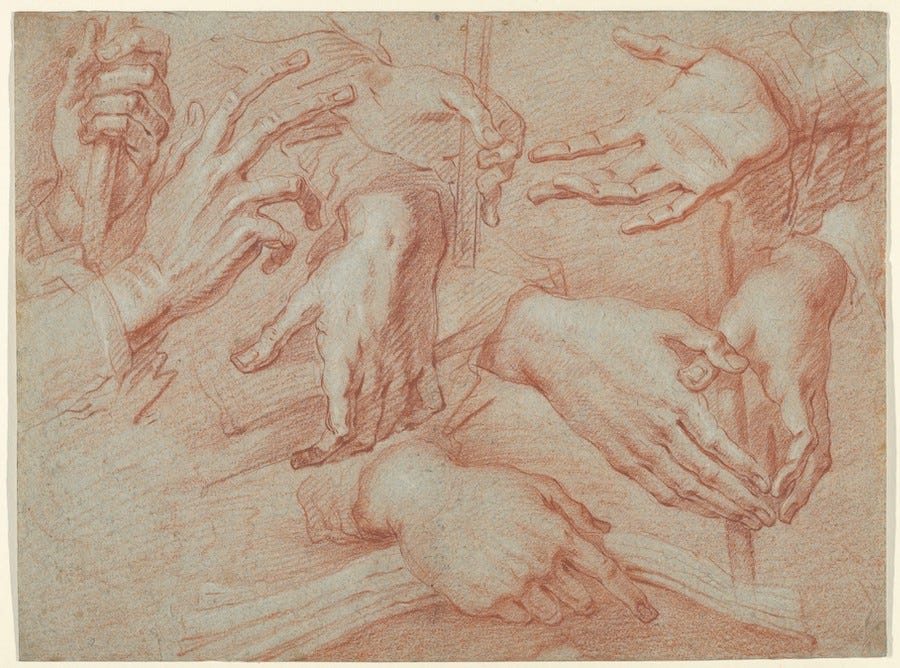
During Covid-19, we were told, as per health advisories, that we should refrain from touching each other, and that a simple bow of the head would suffice. That was completely understandable at a time when any actual physical contact with, even close proximity to, someone who had the Covid-19 virus could lead to severe illness, even death.
We churchgoing people are generally obedient in adhering to the directives of our church, as expressed through our leaders. And so, when we were told not to touch, we obeyed the directive. We refrained from touching.
Today we no longer have that deadly situation hanging over our heads, vaccines and natural immunity now providing a level of security from the effects of the virus.
We have, however, not been told it’s okay to once again express ourselves in the usual human ways, i.e., a handshake or a hug for close loved ones. For example, when we go to the house of a family member or a friend, hugs or handshakes are the dominant way of greeting each other. We are human beings, and human beings, at least here in North America, express their relationships through touch.
Unfortunately, few church leaders have ever suggested we go back once again to actually reaching out and touching. And so, we remain obedient to the non-touch directive.
Clergy say a handshake is not forbidden, that it is up to people whether they want to reach out and touch or not. While that may be true, it’s not comfortable reaching out to shake the hand of a person who wishes to continue being obedient to the church’s directive. Attempting to shake their hand leaves both people in a very uncomfortable situation.
I ask church leaders to let people throughout their diocese know that expressing our peace through physical contact is once again acceptable. I would recommend going further, and encourage it as a truly human expression of who we are, but perhaps bishops are not comfortable with human touch, and so don’t want to encourage it in their congregations.
We Catholic churchgoers are, by and large, an obedient people. As such, if we are told we are not to do something, we generally follow the directive, and refrain. That is good. Sterility and antiseptic actions are important in times of great danger to our health. But when the reason for the directive no longer exists, we obedient people need to be told that the directive no longer applies, and that we are free once again to express ourselves through touch as we have done for decades. If we are not given this information, told that the directives no longer apply, we will continue to act as though sterility and antisepsis must remain the norm. ♦
Ray Temmerman administers the website of the Interchurch Families International Network. A former board member of the Association for the Rights of Catholics in the Church (ARCC), he continues to conduct research into the place of interchurch families and the gift they bring to their churches and the Church.