



The first two final reports for the Study Groups of the Synod were published earlier this week, marking the most significant development in the synodal process since the issuing of the interim reports in November of last year.
The new final reports come from Study Group 3, focusing on the church’s mission in the digital environment, and Group 4, tasked with revising the process of priestly formation in a more synodal perspective. Group 4 takes as its departure point Ratio Fundamentalis Institutionis Sacerdotalis (“The Gift of Priestly Vocation”), the 2016 document from the Dicastery for the Clergy that sets forth a program of formation.
Ratio Fundamentalis is relatively recent, at least by church standards, and the Study Group’s final report makes mention of the “important new emphases in the perspective of the missionary and synodal Church” that it offers. These include “the insistence on discipleship as a fundamental feature of initial and ongoing formation,” “the essentially communitarian dimension of formation,” and “the need for integral formation” that addresses the whole person, including the affective, spiritual, intellectual, and pastoral dimensions of their priestly calling.
However, the report continues, the Synod made clear that these emphases must be strengthened further. The authors write specifically of the need “to deepen the relational identity of the ordained ministry” and of a formation process “that is increasingly rooted in the experience of the People of God, with its various charisms and ministries, and in contact with the poor.” This amounts to offering “shared moments of formation for lay people, consecrated persons, ordained ministers and seminarians that foster mutual knowledge and collaboration” and activating “a broad and real participation of all members of the People of God in the formation of future pastors, with particular attention to the contribution of women and families”.
It is a promising image of co-responsibility—a term that is often used to apply to the structures and functions of the church, but that implies a responsibility to each other as well. What better place for mutual upbuilding than in the workshop of our vocational discernment, where we help one another draw forth our deepest callings? The report expounds on this notion beautifully: “Implementing this conversion to the common mission means becoming aware that all the faithful are jointly responsible for the impact of the Gospel in today’s world, each with their own experience and apostolic competence”. An executive summary accompanying the report carries this to the interfaith realm and shows how openness the world is a constitutive element of the priesthood: “In missionary outreach and throughout the whole journey of formation, ecumenical and interreligious fraternity must be cultivated. Furthermore, being immersed in the human condition facilitates a homiletic and catechetical formation that teaches how to connect the heart of the Gospel with the life experiences of people.”
The report recommends the inclusion of “well-prepared and competent women as co-responsible at all levels of formation, also within the formation team, in order to benefit from their indispensable contribution to vocational discernment and to the accompaniment of candidates to the priesthood.” Elsewhere, it requests “that the People of God be truly listened to in view of the conferral of Holy Orders, . . . giving due importance also to the views and assessments of women.” These claims, along with the inclusion of multiple passages from the Synod’s Final Document that reference women’s expanded leadership roles, represent a change in tone if not in ecclesial culture. But so long as an androcentric conception of the priesthood still remains, it will limit the full expression of what the report terms the “circularity of vocations” and the “reciprocity of the gifts.”
Michael Centore
Editor, Tomorrow’s American Catholic
A “Matthew 25” Preacher
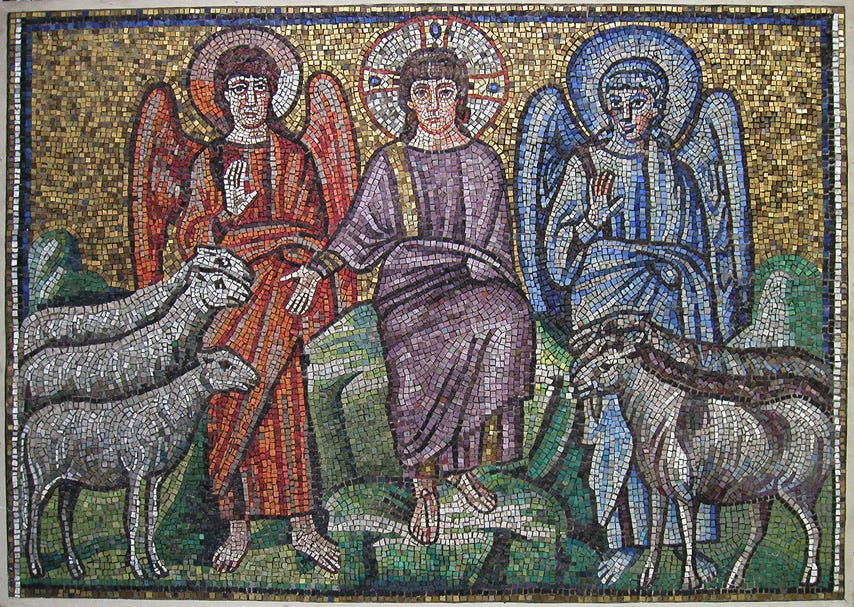
In the latest episode of our podcast, we speak with Lutheran pastor Christine Pelfrey about the lifelong process of her vocational discernment, how her Catholic background continues to influence her personal spirituality and pastoral ministry, and what a synodal Catholic Church might learn from Lutheran governance structures. We also look at the selection process of bishops and clergy within the Lutheran church and some of the ways that Pastor Christine is growing and sustaining a gospel-aligned community.
Listen here »
Equal Sharers of the New Covenant
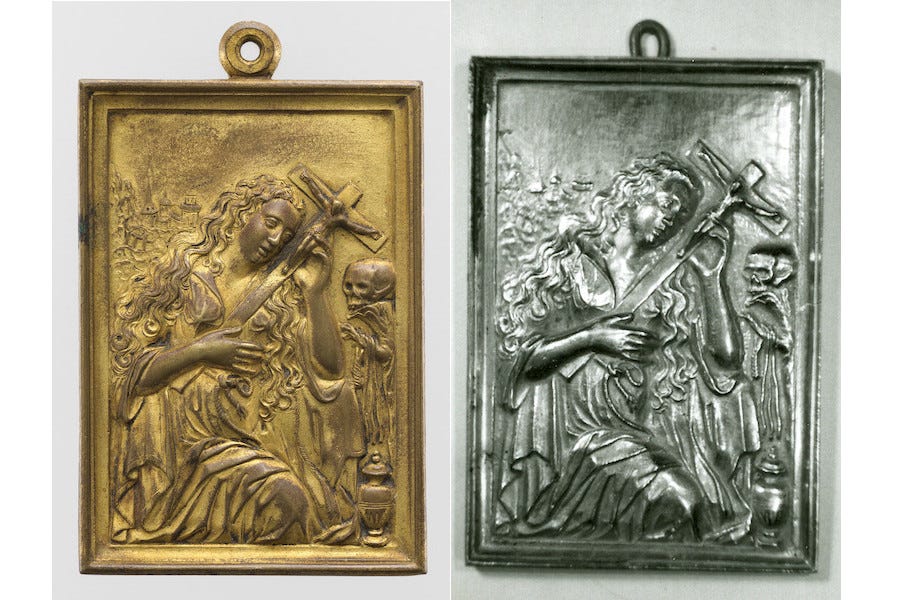
In the first of a planned multi-part essay, Sarita Melkon Maldjian looks at women in the early church as “equal sharers of the new covenant”: “A resistant reading of the Gospel of Mark allows the reader to experience this text from the point of view of the women in it. There is no doubt that this type of reading will show that since the beginning of Christianity, women have been acknowledged as playing a significant role in the church, and passages from the canonical Bible have been used to assist women in their fight for equality. Unfortunately, it has only been within the 20th century that issues raised by the women’s movement have brought to light the possibilities for women to assume greater responsibility in the church.”
Read more »
The Beauty of Truth
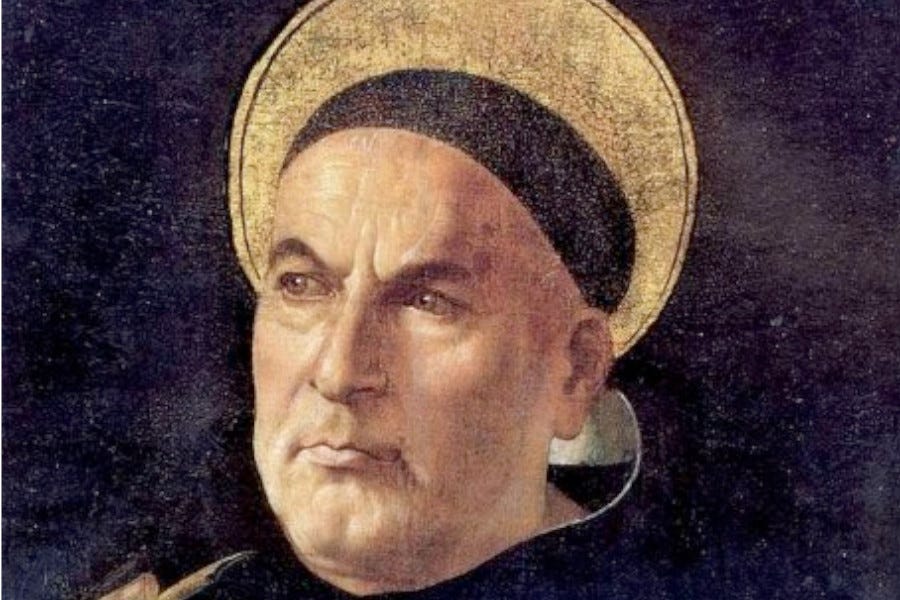
Beate Matthies reports on a conference led by the Dominican Friars of Australia and New Zealand focused on the “beauty of truth” as seen through the writings of St. Thomas Aquinas: “St. Thomas Aquinas argued that there are three components to beauty: 1) integrity / perfection; 2) due proportion / harmony; and 3) brightness / clarity. Jesus was beautiful of sight and gracious in speech: ‘the Word made flesh, the splendour of the Father.’” (Originally published at Titipounamu Study & Joy)
Androcentric. Good one. I had to look that one up. Then again I’m a … .